
Tracking the Creative Process in Music
-
My latest talks here and there at various International Conferences
In these last few days leading up to the end of 2025, I would like to share my latest presentations, which I have had the pleasure of giving over the last six months. I have spoken a lot about Teresa Rampazzi, and I am very happy about that, but I also discuss about the birth…
-
COMBINED METHODS TO STUDY COLLABORATION, CO-CREATION AND COLLABORATIVE PERFORMANCE IN THE DIGITAL MUSIC ERA. THREE CASE STUDIES BETWEEN ORAL HISTORY AND SOURCE CRITICISM
In my recent article COMBINED METHODS TO STUDY COLLABORATION, CO-CREATION AND COLLABORATIVE PERFORMANCE IN THE DIGITAL MUSIC ERA. THREE CASE STUDIES BETWEEN ORAL HISTORY AND SOURCE CRITICISM, I give a theoretical frame and contextualization of my research method, which I developed to study various aspects of music with new technologies (sound-based art). The combination of…
Academic, Andrea Valle, archives, Clara Iannotta, Collaborative Art, Combined method to study electroacoustic music, computer music, Fausto Romitelli, Interviews, Laurent Pottier, Live-Electronic Music, Mauro Lanza, Musical Assistant, Notation in Electroacoustic Music, Oral History, philology of music, sources for the study of electronic music, Tracking the Creative Process in Music
-
Unveiling Camillo Togni’s (1922-1993) Creative Process in Electronic Music
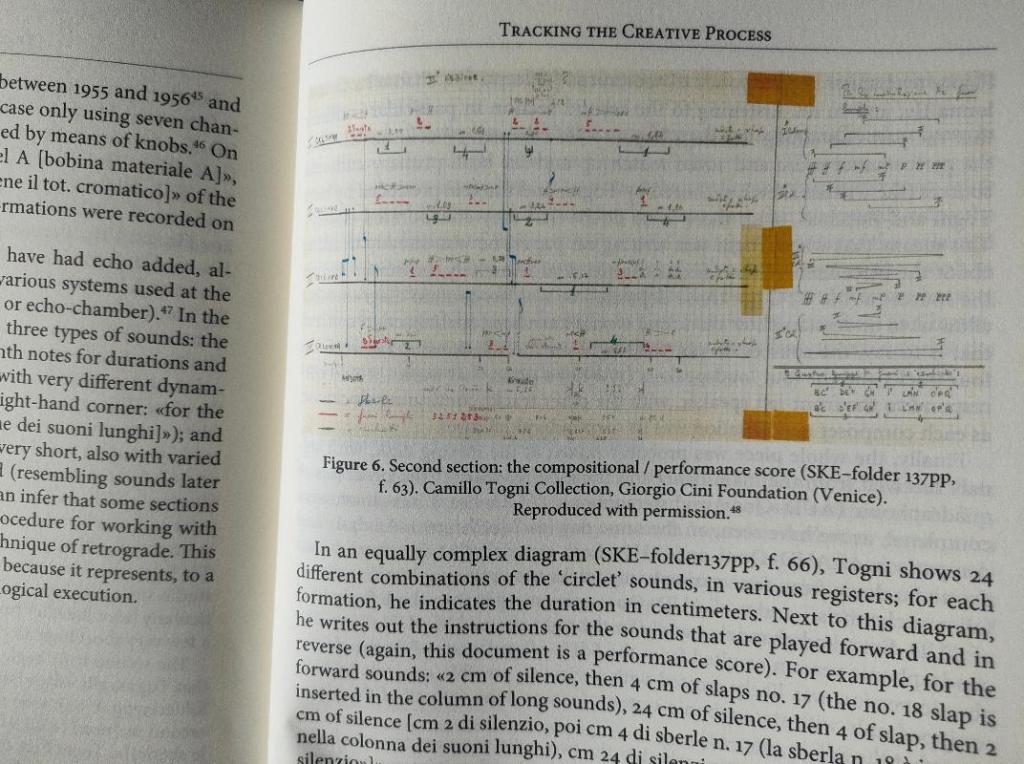
Doing analysis of electronic music also means understanding – in addition to the audio, sketches, score (if any) and technology – the circumstances that led an author to create the piece. “Recitativo for Tape” (1961) is the only work of electronic music made by Italian composer Camillo Togni who embraced dodecaphony and integral serialism. Like…
-
What can we deduce from the composers’ personal archives?
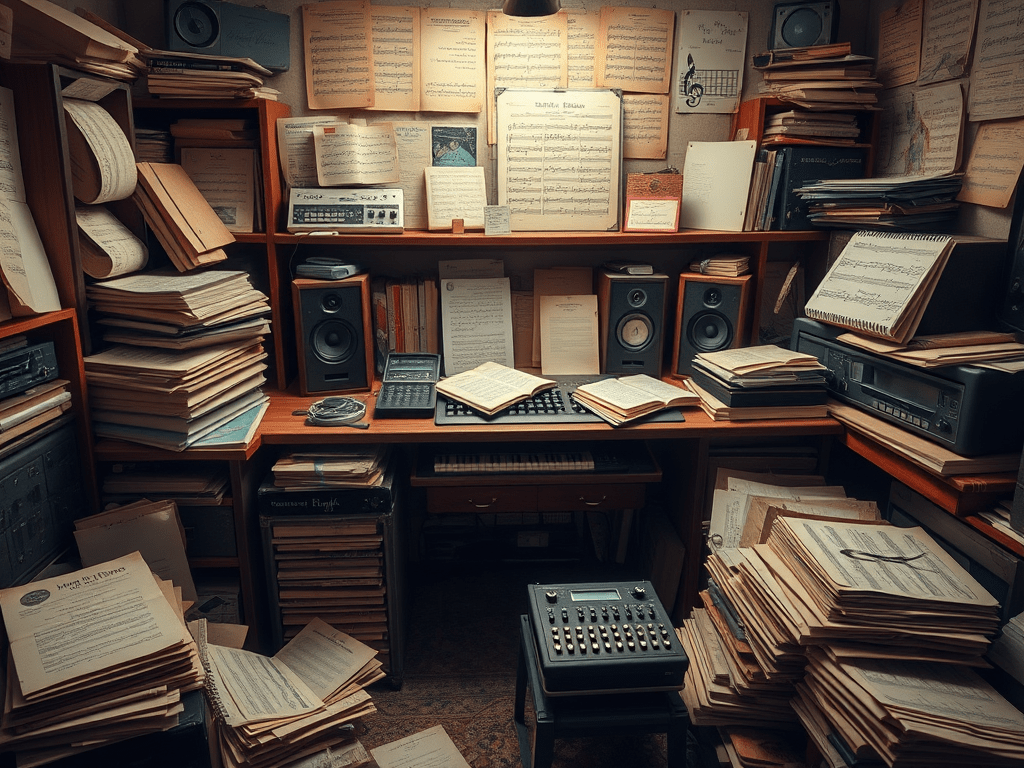
What do archives tell us about the person who has collected and organised (or disorganised) them over the years, about their own creative process, about their ‘workshop’? In this book (just published) “XENAKIS – BACK TO THE ROOTS. Philological Approaches to Electroacoustic Music” edited by Reinhold Friedl, Thomas Grĭll, Nikolaus Urbanek, and Michelle Ziegler, I…
-
A history of the first computer sound spatialization system: John Chowning’s investigations at Stanford University (1962-1972)
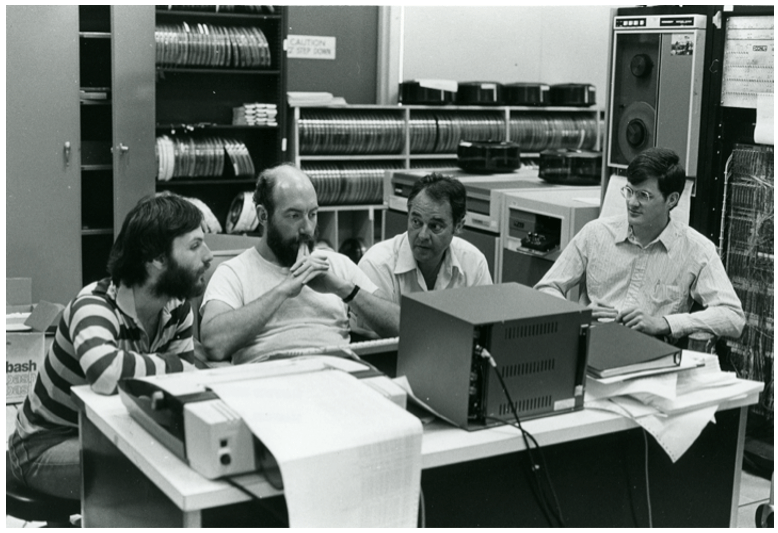
Atmos? Spatial Audio? Immersive sound? Where did it all begin?Digital sound spatialisation systems for music, cinema, videogames, VR or portable systems, would not exist without John Chowning’s algorithm.François-Xavier Féron and I are delighted to have reconstructed the “History of the first computer sound spatialisation system: John Chowning’s investigations at Stanford University (1962-1972)” published in the…
-
In hoc signo vinces by Angelo Paccagnini and Eugenio Carmi – Symposium and Concert, November 9th 2024
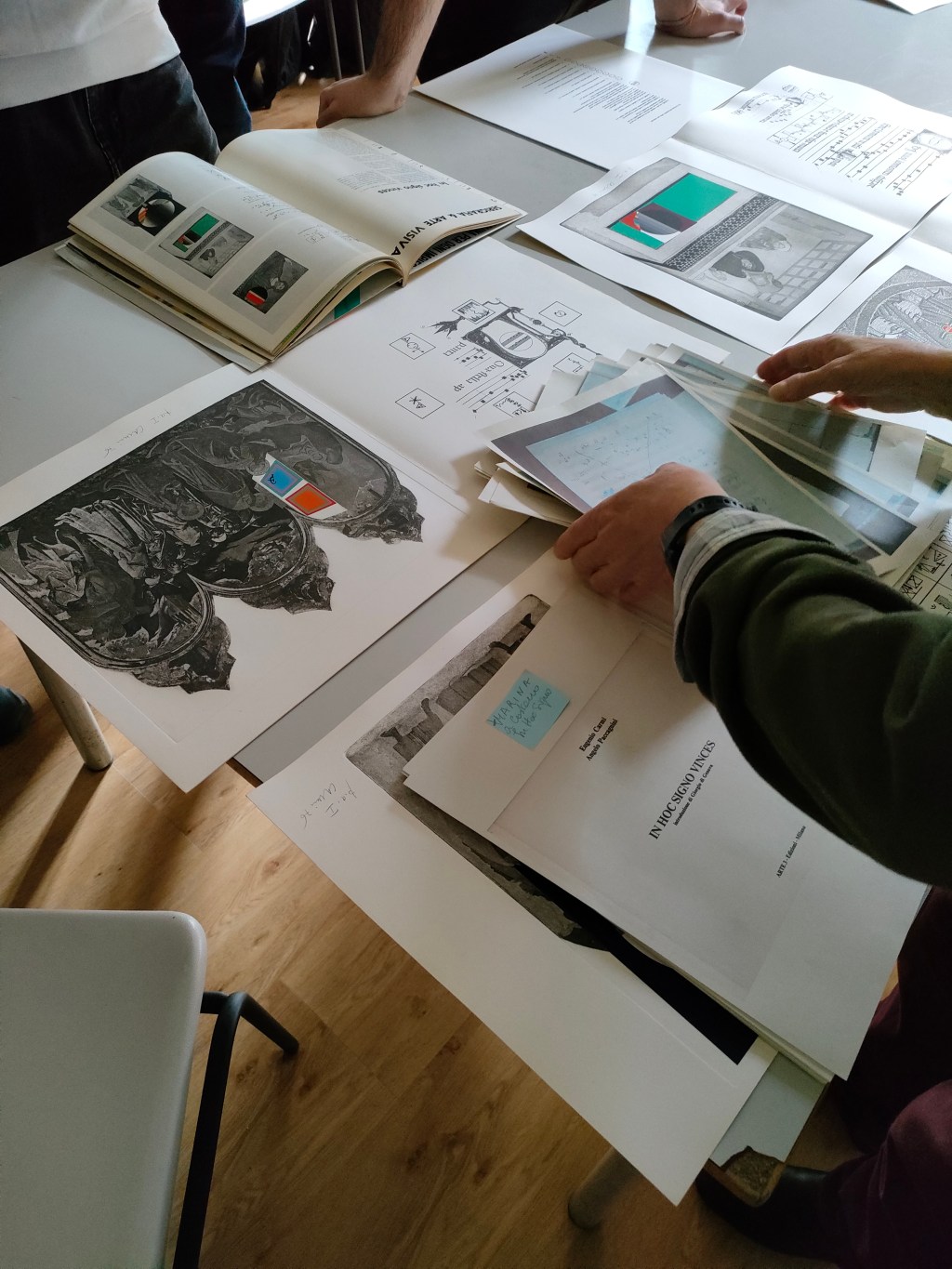
Posthumous discoveries of unknown and never performed musical works always represent, in the eyes of researchers and the public, a valuable opportunity for new biographical readings and new interpretative scenarios. In hoc signo vinces (1976) is a score-catalogue discovered by archivist Carlotta Ghiretti at the archives of Eugenio Carmi (1920-2016, one of the protagonists of…
-
My keynote @TENOR 2024 conference (Zurich ZHdK)
Overjoyed that my keynote “Unexplored Archives, Philology and Real People – How to study ‘sound-based art’ through sketches (design thinking, embryonic projects, first meetings, software programming)”, at the TENOR 2024 conference – International Conference on Technologies for Music Notation and Representation, is now online. 2024: 4 April: Full video (my keynote and other talks): https://vimeo.com/930542621 Abstract: My presentation considers…
Analysis of Sound Design Practices, archives, Collaborative Art, CSC, Ircam, John Chowning, Music and Technology, Musical Assistant, Notation in Electroacoustic Music, Oral History, philology of music, Pioneers of electronic music, Sound Art, sound design, sound engineer, SOundNOiseMUsic, sources for the study of electronic music, Spectral music, Technology and Society, Teresa Rampazzi, Tracking the Creative Process in Music, women and music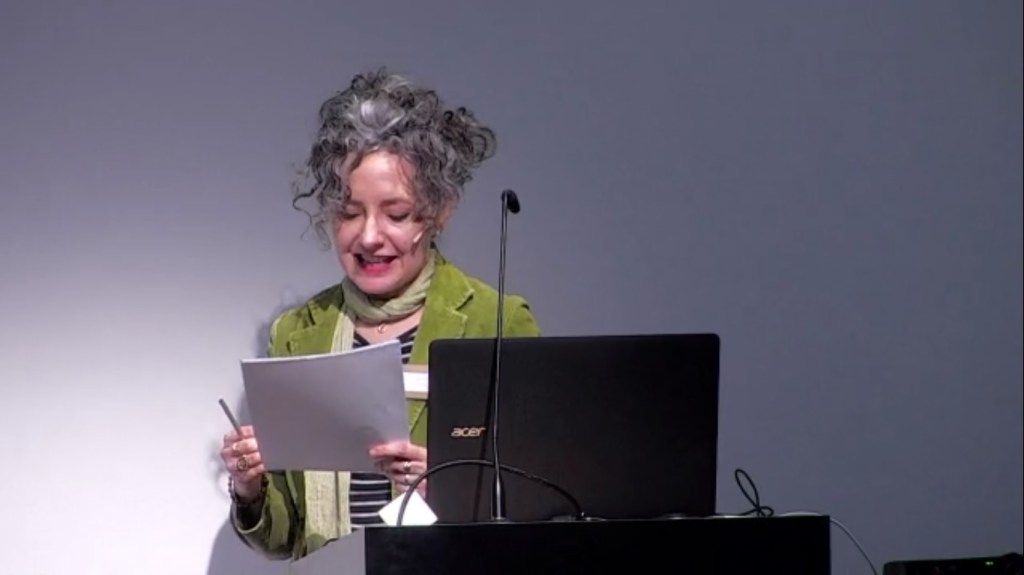
-
Angelo Paccagnini and Eugenio Carmi. In hoc signo vinces
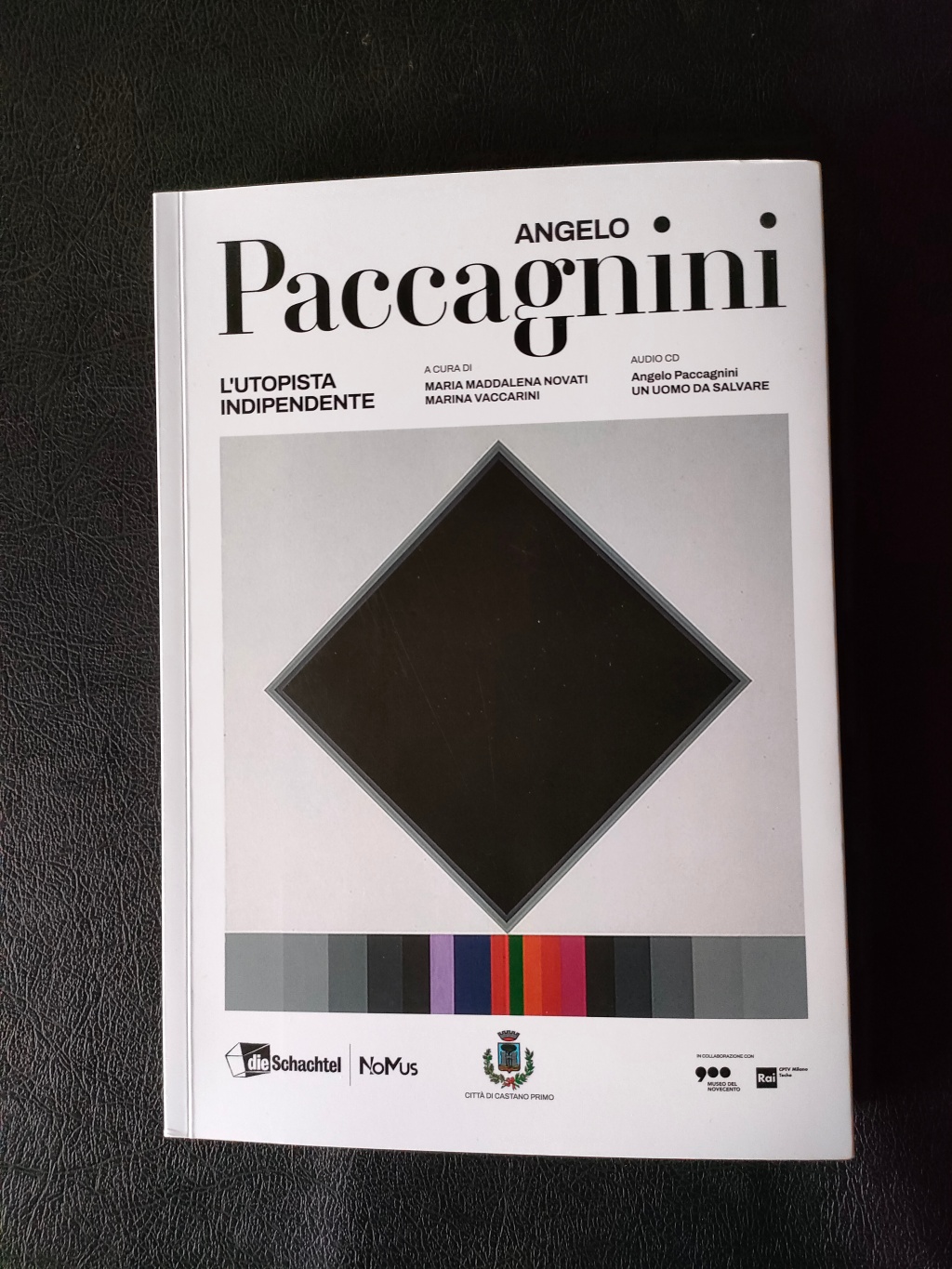
My chapter “Angelo Paccagnini and Eugenio Carmi. In hoc signo vinces” has just been published in the book “Angelo Paccagnini. L’utopista indipendente”, edited by Maria Maddalena Novati and Marina Vaccarini, published by DieSchachtel records and NoMus, produced by Bruno Stucchi and Fabio Carboni, and with an attached CD with music by Paccagnini.
-
My keynote speech at the XXIII CIM Colloquio di Informatica Musicale
Last Thursday (October 27) I gave a keynote speech at the XXIII CIM Colloquio di Informatica Musicale in Ancona: “The Computer Instrument: mixed methods to study past, present and future between archives, lost sources and oral history”. I was also able to admire the instruments on display from the Museo del Synth Marchigiano and from…
archives, collaboration, Collaborative Art, Composers & Artists, computer music, Interviews, John Chowning, Live-Electronic Music, Luigi Nono, musicaelettronica.it, Musical Assistant, Oral History, philology of music, sources for the study of electronic music, Technology and Society, Tracking the Creative Process in Music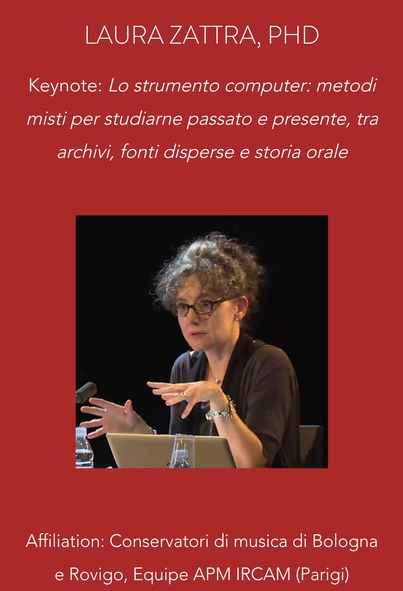
-
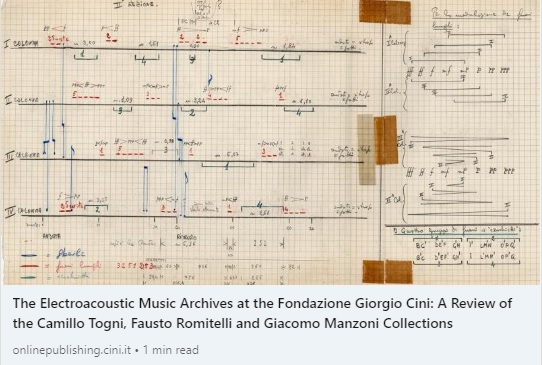
The Electroacoustic Music Archives at the Fondazione Giorgio Cini: A Review of the Camillo Togni, Fausto Romitelli and Giacomo Manzoni Collections
What can tell a personal archive about the composer or anyone who has collected-organized (or disorganized) their contents over the years? In this article (just published and downloadable for free in PDF) I reflected on the electronic music sources donated to the Fondazione Giorgio Cini in Venice by composers Camillo Togni, Fausto Romitelli and Giacomo…
 laura zattra